Mold in the bathroom happens to the best of us. That black or greenish growth creeping along grout lines, bathroom walls, or shower curtains can feel like a losing battle. But once you understand what you’re dealing with and how to tackle it properly, you can reclaim your bathroom and keep it mold-free.
Understanding Why Mold Loves Your Bathroom
Bathrooms create the perfect environment for mold growth. Warm water from showers creates humid air, and poor ventilation means that moisture levels stay elevated long after you’ve finished bathing. Mold spores, which are everywhere in the air around us, settle on damp surfaces and start to grow. Within 24 to 48 hours, those spores can develop into visible mold colonies.
The root cause is almost always excess moisture combined with inadequate air circulation. If your bathroom fan doesn’t work properly or you don’t have one at all, you’re essentially inviting mold to move in. Lingering moisture on bathroom surfaces feeds the problem, allowing different mold species to thrive.
Safety First: Protecting Yourself During Mold Removal
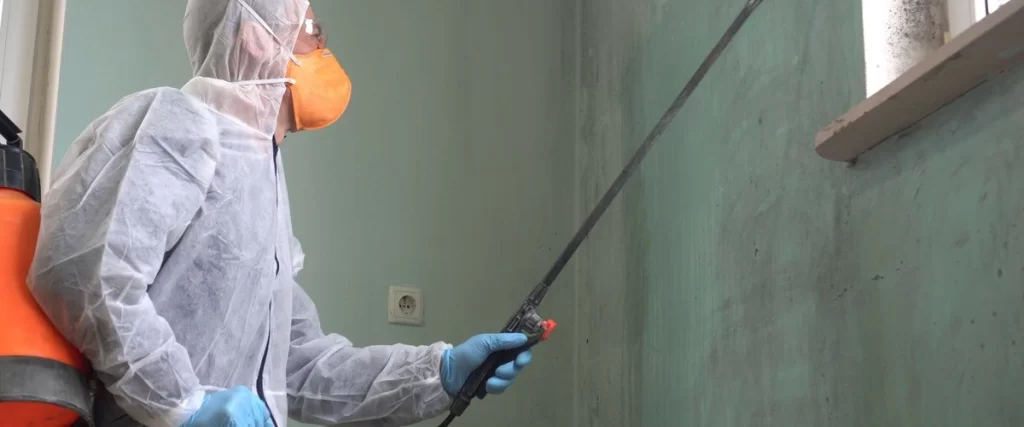
Before you start cleaning mold, you need protective gear. Mold spores become airborne when disturbed, and breathing them in can cause respiratory issues, especially if you have hay fever or existing health issues.
Wear rubber gloves to protect your hands from both the mold and the cleaning solutions you’ll use. Safety glasses prevent spores from getting into your eyes, and if you’re dealing with extensive mold growth, consider wearing a mask. Open windows and turn on the exhaust fan to improve ventilation while you work.
Natural Solutions That Actually Work
You don’t always need harsh chemicals to effectively remove mold. Several household items can kill mold spores and eliminate mold stains.
White vinegar stands out as one of the most effective natural mold killers. Pour undiluted white vinegar into a spray bottle and apply it directly to the moldy surface. Let it sit for at least an hour. The acetic acid in white distilled vinegar kills most mold species. After waiting, scrub the area with a scrub brush and wipe clean with paper towels.
Baking soda offers another gentle but effective approach. Mix baking soda with warm water to create a paste, or add it to a spray bottle with water for easier application. Baking soda not only helps clean mold but also absorbs moisture and prevents future growth. Apply it to the affected area, scrub thoroughly, and rinse with clean water before you wipe dry.
Hydrogen peroxide works well on non-porous surfaces like tiles and glass. Use a 3% concentration in a spray bottle, spray the moldy area, and let it sit for ten minutes. Scrub and rinse. Hydrogen peroxide can also help with stubborn mold stains that vinegar alone might not remove.
Tea tree oil, though more expensive, is incredibly powerful against mold. Mix one cup of water with a teaspoon of this essential oil in a spray bottle. Spray the treated surface and leave it without rinsing. The smell dissipates, but the antifungal properties keep working.
Lemon juice provides mild bleaching action along with antimicrobial properties, making it useful for lighter mold problems on bathroom surfaces.
When to Use Stronger Cleaning Solutions
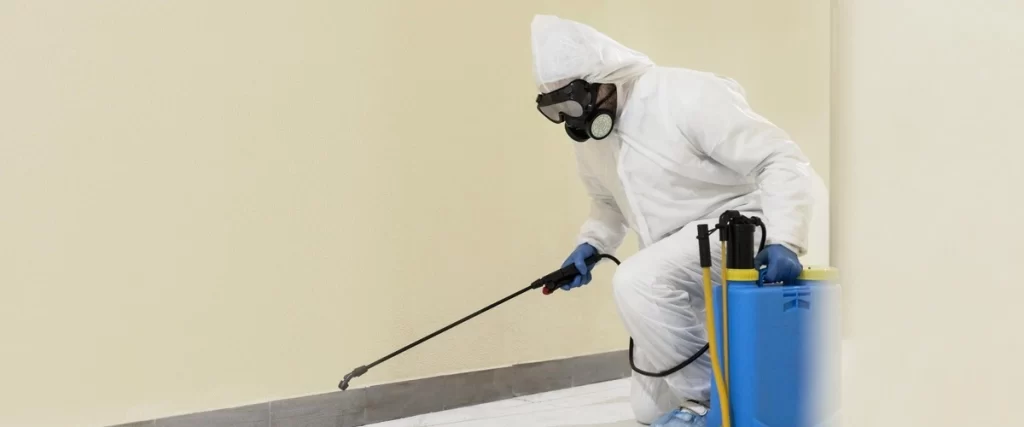
Sometimes, natural methods aren’t enough, particularly with black mold or extensive colonies. A bleach solution can effectively remove mold from non-porous surfaces, but it should be used carefully.
Mix one cup of bleach with one gallon of water. Never mix bleach with vinegar or ammonia, as this can create hazardous fumes. Apply the bleach solution to the moldy surface, wait a few hours, then scrub and rinse thoroughly. Make sure the room has proper ventilation when using bleach.
Keep in mind that bleach works on surfaces but doesn’t penetrate porous materials like drywall or grout. For porous surfaces, you may need specialized products or professional help.
Tackling Specific Problem Areas
Different bathroom surfaces require different approaches.
Shower curtains can usually be machine-washed with detergent and baking soda. If the mold won’t come out, replacing the shower curtain is inexpensive and saves you time. For mold on walls, use your chosen cleaning solution and scrub gently to avoid damaging paint or wallpaper.
Moldy caulk presents a bigger challenge. Because caulk is porous, mold grows into it rather than just on the surface. You can try cleaning it with undiluted white vinegar or hydrogen peroxide, but if the mold keeps coming back, you’ll need to remove the old caulk entirely and apply fresh caulk after the area dries completely.
Bathroom tiles and grout lines respond well to most cleaning methods. Use a scrub brush with stiff bristles to get into grout lines where mold loves to hide. A microfiber cloth works well for wiping and polishing afterward.
Preventing Mold From Coming Back
Getting rid of mold solves the immediate problem. Stopping it from returning requires addressing the conditions that allowed it to grow.
Run your bathroom fan during showers and for at least 30 minutes afterward. If you don’t have an exhaust fan, open a window to let humid air escape. This simple step dramatically reduces moisture levels.
Wipe down bathroom walls, shower doors, and other surfaces after bathing. Removing excess humidity before it settles prevents mold spores from finding the moisture they need to grow. Keep a squeegee or towel handy for quick cleanups.
Consider using anti-mold paint on bathroom walls. This specially formulated paint contains mold inhibitors that make it harder for growth to take hold. It’s particularly useful in bathrooms with high humidity.
Fix any leaks immediately. Dripping faucets, leaking pipes, or damaged seals around tubs create constant moisture sources. These seemingly small issues lead to more moisture and eventually serious mold problems and costly repairs.
Store damp towels and bath mats outside the bathroom when possible, or hang them where air can circulate them. Regularly clean your bathroom to remove soap scum and other organic materials that mold can feed on.
In warm weather, or if you live in an area with naturally high humidity, a small dehumidifier in the bathroom can make a significant difference.
Health Risks You Shouldn’t Ignore
Beyond being unsightly, mold presents real health risks. Exposure can trigger allergies, asthma attacks, and other respiratory issues. Some people experience headaches, fatigue, or skin irritation. Black mold, while often overhyped in the media, can produce mycotoxins that cause more severe health issues with prolonged exposure.
If you notice persistent mold that keeps returning despite your best efforts, you may have a mold issue behind walls or under flooring. This situation requires professional assessment.
Let Professionals Handle the Hard Work

Reading through all these methods, you might realize that effectively removing mold and addressing the underlying moisture problem takes significant time and effort. You need to identify the mold species, choose the right cleaning solution, scrub every moldy area thoroughly, and then implement prevention strategies.
Sometimes the best solution is calling in experts who can handle everything efficiently. If your bathroom has extensive mold growth, persistent moisture problems, or if you’re dealing with mold in difficult-to-reach areas, professional help saves you time and ensures the job gets done right.
At Gigi Homes and Construction, we understand bathroom mold problems from the ground up. Our bathroom remodeling services address the root causes of mold growth, from fixing ventilation issues to replacing damaged materials with mold-resistant alternatives. We can assess your specific situation and create a bathroom that’s not just clean today but designed to stay that way.
Why spend your weekends fighting mold when you could have a bathroom that resists it naturally? Call us at (703) 675-7574 or message us here to discuss how we can help transform your bathroom into a space you’ll actually enjoy.